

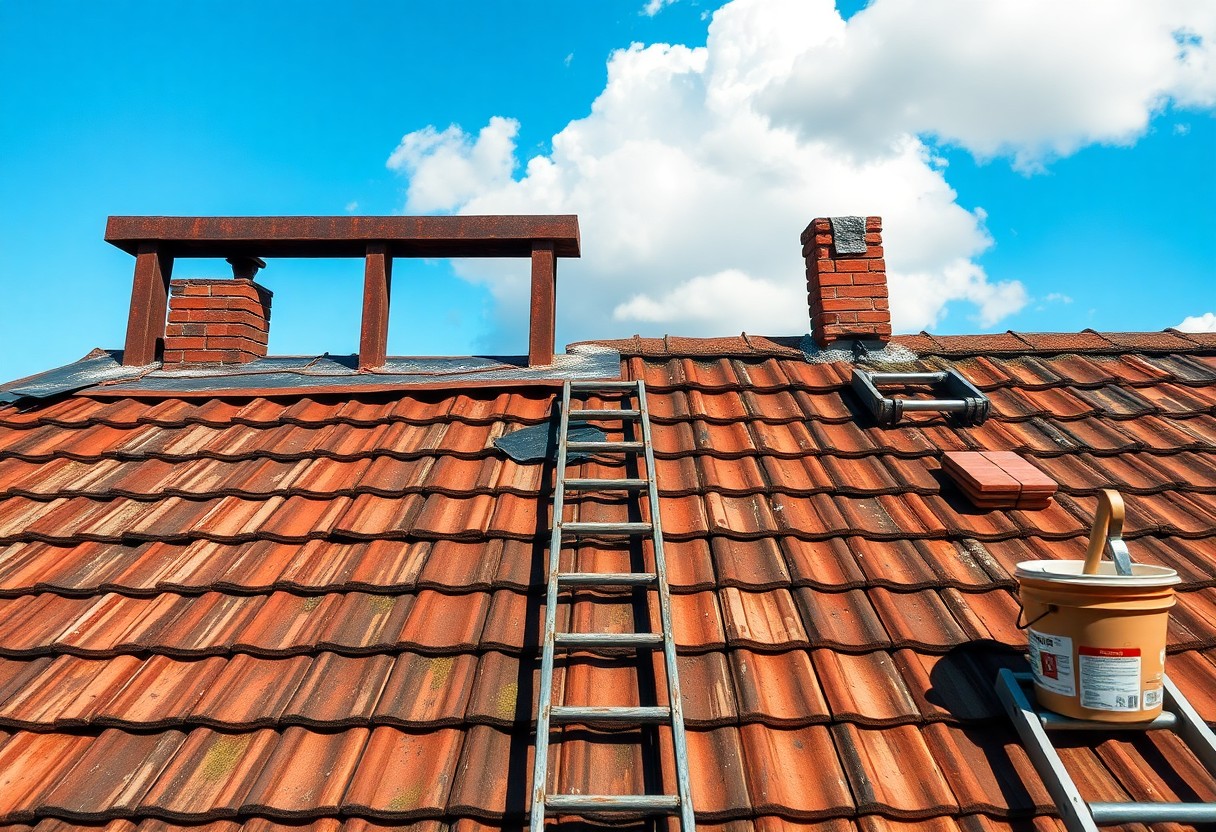
 Blog
BlogWith Sydney’s diverse climate, your roof faces various challenges that can impact its longevity and performance. Heavy rainfall can lead to leaks and mold, while intense UV radiation can degrade materials over time. Additionally, strong winds can dislodge shingles and create vulnerabilities. Understanding how weather affects your roof is important for effective maintenance. This guide will help you identify critical issues and offer practical solutions to protect your investment and ensure your roof remains in optimal condition.
Key Takeaways:
- Sydney’s coastal climate leads to higher humidity and salt exposure, which can deteriorate roofing materials over time.
- Frequent storms and heavy rainfall can cause water pooling and leaks, necessitating regular inspections and maintenance.
- Using appropriate roofing materials, such as UV-resistant options, can enhance durability and lifespan in Sydney’s weather conditions.
Understanding Sydney’s Climate
Overview of Sydney’s Weather Patterns
Sydney experiences a temperate maritime climate characterized by mild winters and warm summers. The city sees an average annual rainfall of about 1,200 mm, with most precipitation occurring in late spring and summer. You should anticipate sudden fluctuations, with coastal breezes significantly impacting temperatures and humidity levels throughout the year.
Seasonal Variations and Temperature Extremes
The temperature in Sydney varies significantly across seasons. Summer temperatures can soar to around 30°C, while winter lows hover around 8°C. You may also notice occasional extreme weather events, such as heatwaves or cold snaps, which can put stress on your roof materials.
Seasonal Variations and Temperature Extremes
| Season | Average Temperature Range |
|---|---|
| Summer | 20°C – 30°C |
| Autumn | 15°C – 25°C |
| Winter | 8°C – 17°C |
| Spring | 14°C – 25°C |
These temperature extremes can lead to issues with roof expansion and contraction, potentially causing cracks or leaks. Being mindful of these variations allows you to better prepare your roof for the changing conditions, which is necessary for longevity.
Humidity Levels and Their Impact on Roofs
Humidity in Sydney often hovers between 60% and 80%, particularly in summer. High humidity can lead to mold growth and deterioration of roofing materials, especially if your roof is not adequately ventilated. These conditions make it necessary for you to keep a close eye on your roof’s health.
Consistent high humidity creates an environment conducive to moss and algae growth on your roof. This can trap moisture, leading to more severe structural issues over time. Ensuring proper ventilation and periodic cleanings can help mitigate these risks and maintain your roof’s integrity. Regular inspections also make it easier to spot early signs of damage before they escalate.
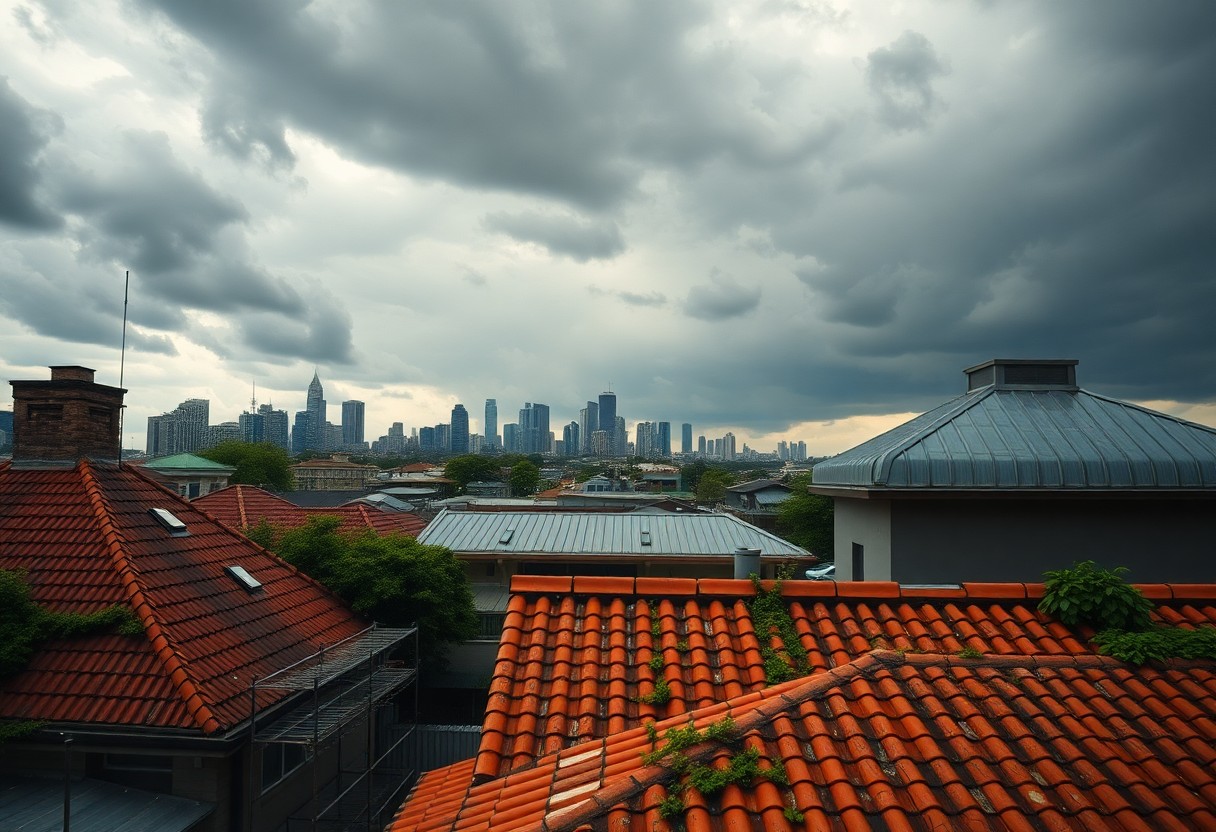
Common Roof Materials in Sydney
Metal Roofing
Metal roofing is a popular choice due to its durability and low maintenance requirements. In Sydney, materials like Colorbond and zincalume are commonly used because they resist rust and corrosion from salty sea air. These roofs can reflect heat, helping to keep your home cooler during hot summer days.
Tile Roofing
Tile roofing offers a classic aesthetic that complements Sydney’s architectural style. Clay and concrete tiles are particularly favored for their increased insulation and ability to withstand harsh weather. Proper installation and maintenance are important for maximizing their lifespan against the elements present in the region.
Clay tiles provide a timeless look and are fire-resistant, making them ideal for areas prone to bushfires. Concrete tiles, on the other hand, are heavier but offer greater strength and versatility in color and design. Both options effectively minimize heat penetration, enhancing energy efficiency in your home, especially during Sydney’s warmer months.
Concrete and Slate Roofing
Concrete and slate roofing materials are known for their longevity and sturdy construction. Concrete tiles can mimic the appearance of slate but often at a fraction of the cost, providing an appealing option for homeowners. Slate, while more expensive, offers exceptional durability and elegance.
Investing in slate roofing can be worthwhile due to its lifespan of over a century when properly maintained. Both concrete and slate materials are excellent for energy efficiency, reflecting heat and keeping your home cooler, which is beneficial given Sydney’s peak summer temperatures.
Synthetic Roofing Materials
Synthetic roofing materials, including rubber and plastic composites, are gaining popularity for their eco-friendliness and lightweight properties. These options can mimic the look of traditional materials while being easier to install and maintain.
Many synthetic roofing systems are designed to resist UV degradation and can contribute to energy savings through lower thermal conductivity. They are often more affordable while still providing a stylish appearance, making them an attractive choice for modern homes in Sydney. Additionally, some products are made from recycled materials, enhancing their environmental appeal.
Effects of Weather on Roofing
Rain and Its Consequences
In Sydney, rain can lead to significant roofing challenges, particularly from persistent downpours. Water can seep into cracks and seams in your roof, promoting mold growth and weakening materials. Regular inspections are vital to catch potential leaks early. Ensuring drainage systems are clear can prevent water from pooling, which reduces the risk of serious damage. To understand more about how rain affects your roofing, visit Sydney’s Climate And Its Impact On Roof Painting.
Solar Exposure and Heat Damage
Your roof endures harsh solar rays daily, leading to heat damage, particularly in Sydney’s warmer months. Over time, consistent exposure can cause materials to break down and fade, affecting both appearance and functionality.
The temperature fluctuations can lead to thermal expansion and contraction, which may cause materials to warp or crack. For example, asphalt shingles typically last around 20 years but can have their lifespan significantly reduced due to extreme heat. Investing in reflective roofing options can mitigate these effects by deflecting sunlight and keeping your roof cooler.
Wind and Its Impact on Roof Structure
High winds can exert pressure on your roof, potentially loosening tiles and shingles, and may even lead to outright roof failure. Wind gusts can lift parts of your roofing materials, creating vulnerabilities.
In extreme cases, wind can rip entire sections off. Regularly checking for loose or damaged materials after windy weather is important to maintain the roof’s integrity. Reinforcing areas known for wind exposure can significantly minimize long-term damage and enhance your roof’s overall resilience.
Humidity and Moisture-Related Issues
Humidity levels in Sydney can contribute to moisture buildup, leading to rust, rotting, and other deterioration issues. This is particularly problematic in metal roofing systems where corrosion can occur.
Continuous exposure to high humidity encourages mold and algae growth, which can not only harm your roof but also compromise indoor air quality. Utilizing ventilated attics and moisture barriers can help control humidity levels, thus prolonging your roof’s life and maintaining a healthy home environment.
Signs of Weather-Related Roof Damage
Leaks and Water Damage
If you notice water spots on your ceiling or walls, it’s likely a sign of roof leaks or water damage. These issues often stem from stormy weather that can compromise your roof’s integrity. Immediate action is required to prevent further damage to your home and costly repairs.
Cracking and Warping
Cracks and warps in your roofing material can indicate severe weather impact. Such damage allows moisture to penetrate, leading to potential structural issues. A thorough inspection can reveal these defects before they escalate into more significant problems.
In Sydney’s often fluctuating temperatures, roofing materials can expand and contract, leading to cracking and warping. This structural compromise not only allows for water infiltration but can also weaken the overall stability of your roof. Pay attention to areas where sunlight exposure is prominent, as these spots are more susceptible to damage. Regular maintenance is vital in identifying these issues early.
Discoloration and Algae Growth
Discoloration on your roof can signify underlying issues, including algae growth fueled by humidity and rain. Algae not only detracts from your home’s aesthetic but can also lead to material degradation over time. Keeping your roof clean is vital to maintaining its appearance and extending its lifespan.
In Sydney’s warm, humid climate, algae and moss can thrive on roofs, leading to unsightly discoloration. This growth can trap moisture, hastening the deterioration of shingles or tiles and causing roofing materials to become brittle. Regularly cleaning your roof and applying preventive treatments can mitigate this issue and help maintain your roof’s condition for years.
Loose Shingles or Tiles
If you see any loose or missing shingles, it’s a clear indication of weather-related wear. Strong winds and heavy rain are common culprits in Sydney, weakening the roofing materials over time. Prompt repair can prevent leaks and structural damage.
Loose shingles or tiles can lead to severe problems if not addressed. In Sydney’s storm-prone environment, missing or unsecured roofing elements significantly increase the risk of water penetration. Replacing or securing these elements upon noticing them will save you from extensive repairs and potential damage to your home’s interior down the line.
Preventive Measures for Roof Maintenance
Regular Inspections
Conducting regular inspections of your roof is important for identifying potential issues early. Aim to check your roof at least twice a year, ideally in spring and autumn. Look for missing shingles, signs of wear, or any unusual debris accumulation that might indicate a problem.
Cleaning Gutters and Drains
Keeping your gutters and drains clean and free of debris is vital for effective water drainage. Clogged gutters can lead to water pooling on your roof, increasing the risk of leaks and structural damage.
To maintain your gutters, clear them of leaves, twigs, and any built-up dirt at least twice a year. After heavy storms, it’s important to check them more frequently, as blockages can worsen and lead to water damage. Consider installing gutter guards to reduce the frequency of cleaning and protect your roof from overflow.
Applying Protective Coatings
Applying protective coatings to your roof can enhance its durability by providing an added layer of defense against the elements. These coatings create a barrier against UV rays and moisture, helping to extend the lifespan of your roofing material.
When selecting a protective coating, ensure it’s suited for your specific roofing type. A high-quality elastomeric coating, for instance, can reduce thermal shock and prevent cracking, while reflective coatings can lower energy bills by keeping your home cooler. Regular reapplication based on product recommendations is important to maintain effectiveness.
Choosing Weather-Resistant Materials
Opting for weather-resistant materials when repairing or replacing your roof can significantly improve its resilience against Sydney’s climate. Materials like metal roofing or synthetic shingles offer superior protection from extreme heat and heavy rainfall.
Investing in materials with proven weather resistance will pay off in the long run. For example, metal roofs often come with a warranty of 50 years or more and are less prone to rust or corrosion. Similarly, choose asphalt shingles rated for high wind and impact resistance, particularly if you live in storm-prone areas.
When to Seek Professional Help
Identifying Major Damage
If you notice significant issues such as large leaks, missing shingles, or severe sagging, it is vital to seek professional help immediately. These symptoms often indicate major structural damage that can worsen over time. An experienced roofer can assess the situation and prevent further complications.
Evaluating Repair vs. Replacement
Assessing whether to repair or replace your roof hinges on the extent of the damage and the age of your roofing materials. If repairs exceed 40% of the roof’s value, replacement might be more cost-effective in the long run.
With age, roofing materials may lose their integrity, making repairs less viable. For example, a roof over 20 years old with multiple leaks likely necessitates a comprehensive replacement, as ongoing repairs will lead to escalating costs and inadequate protection against future weather events.
Finding Qualified Roofing Specialists
Choosing a reputable roofing contractor is crucial for quality work. Look for professionals with certifications, positive reviews, and clear warranties. Verify their qualifications to ensure they adhere to the latest safety and building regulations.
Research online reviews, ask for recommendations from friends or family, and ensure the contractor is licensed and insured. A good rule of thumb is to obtain at least three quotes from different specialists to gauge pricing and services provided, helping you make an informed decision.
Understanding Repair Costs and Estimates
Obtaining detailed estimates is critical when considering roofing services. Factors influencing costs include the extent of damage, roofing materials, and labor fees. Always request a comprehensive breakdown to avoid unexpected expenses.
Generally, repair costs can range from $300 to $1,500 for minor issues, while significant damage or full replacements may escalate from $5,000 to $15,000. Understanding the specifics will allow you to budget appropriately while ensuring you receive a fair price for quality work.
Conclusion
Upon reflecting, you can see that Sydney’s weather has a significant impact on your roof’s longevity and performance. The varying conditions, from intense sun to sudden storms, can cause wear and tear over time. To ensure your roof remains in good condition, regular inspections and maintenance are imperative. Addressing issues like leaks or deterioration promptly will protect your investment and enhance your home’s resilience against the elements. By understanding these factors, you can take proactive steps to safeguard your roof and enjoy peace of mind.
FAQ
Q: How does Sydney’s humid climate impact roof maintenance?
A: The humid climate in Sydney can accelerate the growth of moss, algae, and lichen on roofs. This can lead to roof deterioration over time. Regular cleaning and inspections are necessary to remove these growths and maintain the roof’s integrity.
Q: What effects do heavy rains and storms have on roofs in Sydney?
A: Heavy rains and storms can cause significant water pooling, leading to leaks and structural damage. It’s important to ensure proper drainage systems and regular inspections are in place to prevent water-related issues.
Q: How can homeowners protect their roofs from the harsh Australian sun?
A: The UV rays from the strong Australian sun can cause roofing materials to degrade. Using UV-resistant roofing products and applying reflective coatings can help extend the lifespan of the roof. Regular inspections for signs of wear and tear are also beneficial.
Comments are closed